Essential Elevator Safety Tips

Rajesh Kumar
Safety Director
✨ Key Takeaways
- ✓Stand clear of doors; never block or force them
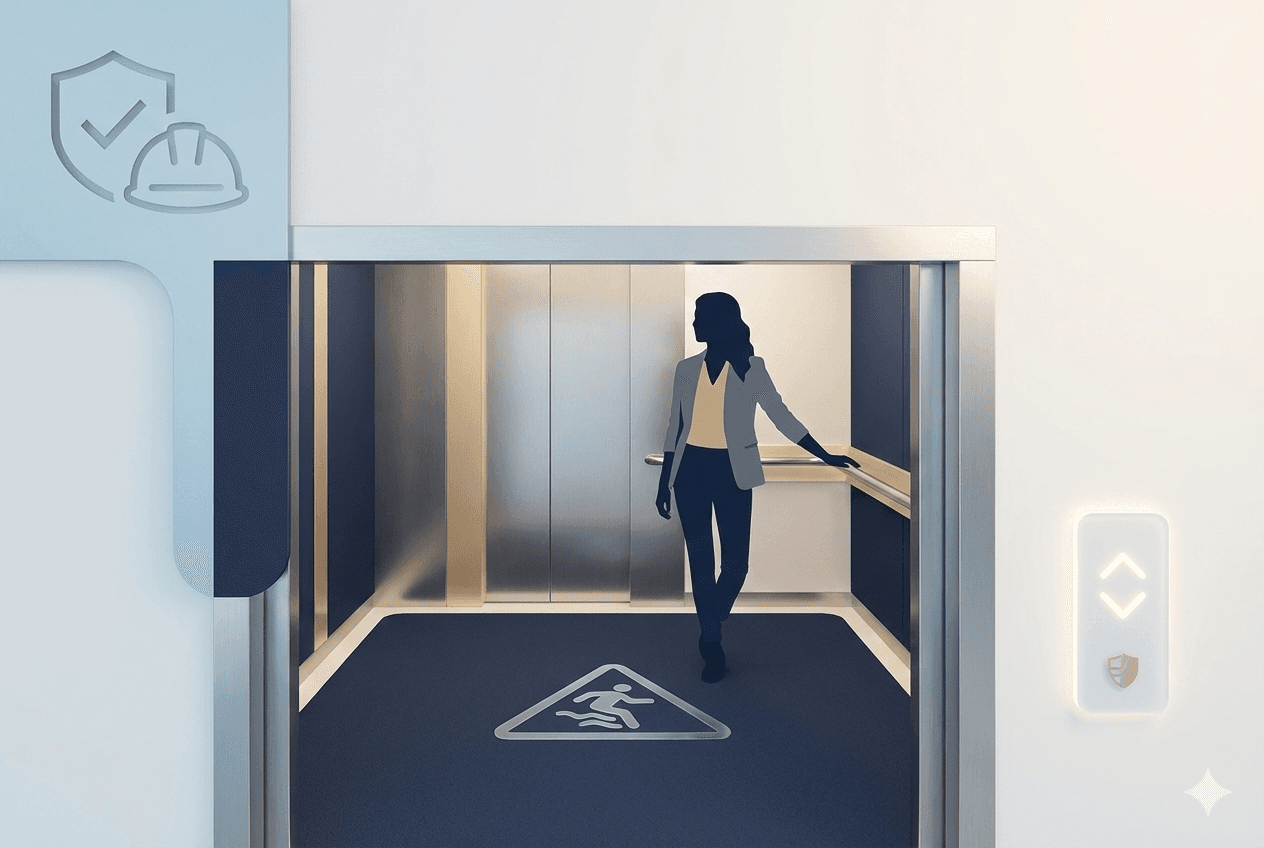
- ✓Hold the handrail and keep children close on entry/exit
- ✓If a lift stops, stay calm and use the alarm/intercom—do not self-rescue
- ✓Report unusual noises, jerks, or door issues immediately
- ✓Building teams should maintain emergency contacts and periodic safety checks
Why elevator safety matters
Elevators are among the safest modes of daily transport when used correctly and maintained properly. Most incidents happen due to unsafe rider behavior, door misuse, or delayed reporting of early warning signs.
For residential societies, offices, malls, and hospitals, simple safety habits—combined with scheduled maintenance—reduce disruptions and protect users, visitors, and staff.
Safe habits for everyday riders
Wait for the car to stop fully and the doors to open completely before entering. Stand clear of the doorway so exiting passengers can leave first.
Avoid blocking doors with hands, feet, or objects. Door sensors can misread fast movements, and repeated door obstruction increases wear and breakdown risk.
Keep children close and hold the handrail. Do not allow children to press random buttons or play near the door gap.
If the elevator is crowded, wait for the next car. Overcrowding increases stress on components and can trigger nuisance stops.
- →Enter/exit calmly—no running
- →Stand away from the doors inside the car
- →Do not jump or bounce inside the elevator
- →If you drop an item near the door gap, do not try to retrieve it yourself
What to do if the elevator stops or you're stuck
If a lift stops between floors, the safest approach is to stay calm, use the alarm or intercom, and wait for trained help. Do not attempt to force doors open or climb out—this is where serious injuries can occur.
Use the emergency alarm button or intercom (if available). Call the building security/reception and the service provider. Keep your phone battery for essential calls and reassure other passengers.
- →Do: press alarm/intercom, call building support, wait for technicians
- →Don't: pry open doors, jump out, or try to climb between floors
- →If someone feels unwell: sit down if possible and ask building staff to arrange medical help
Early warning signs users should report
Users are often the first to notice changes. Reporting early symptoms helps prevent larger failures and extended downtime.
If you notice jerky movement, delayed door closing/opening, unusual sounds, burning smell, frequent leveling issues (car not aligning with floor), or flickering indicator panels—inform building management and request inspection.
Safety checklist for building management
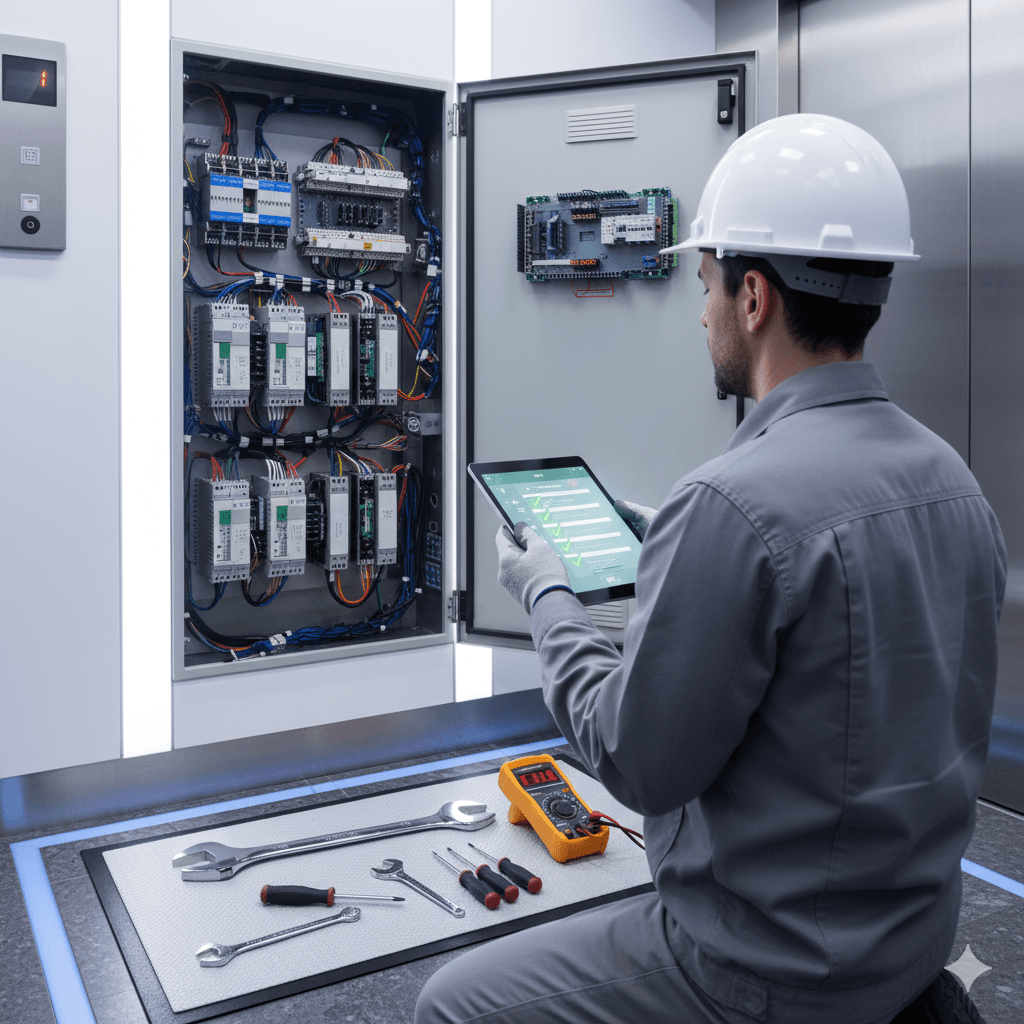
A safe lift environment includes clear signage, trained security staff, functional emergency communication, and timely maintenance logs.
If your building operates in Delhi NCR and nearby service regions, Castel Elevator can support routine inspection guidance, emergency response coordination, and preventive maintenance planning.
- →Emergency phone numbers displayed near lift lobby and security desk
- →Functional alarm/intercom and proper lighting inside the car
- →Door closing speed and sensors working correctly
- →Periodic checks of leveling accuracy and ride comfort
- →Scheduled preventive maintenance with documented service reports
📹 Elevator Safety Tips (Reference Video)
✅ Benefits
Implementing these practices provides immediate benefits with enhanced safety, improved efficiency, and cost savings.
💡 Expert Tips
Consult with professionals and invest in quality solutions to maximize performance.
Need Professional Assistance?
Contact our expert team for elevator solutions.