Latest Innovations in Elevator Technology

Manibhushan Kumar
Technology Director
✨ Key Takeaways
- ✓Modern controllers and VVVF drives improve ride comfort and efficiency
- ✓Predictive maintenance uses sensors to detect issues early
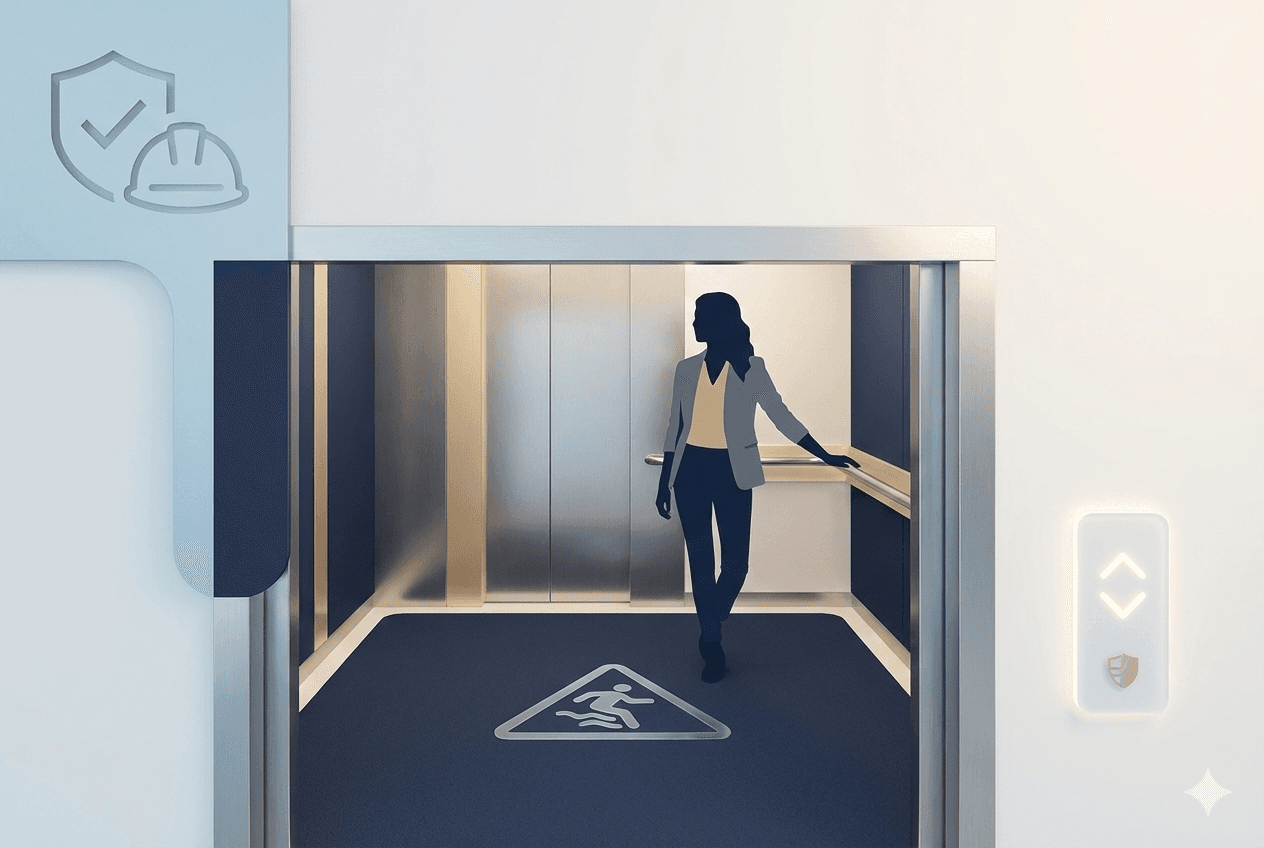
- ✓Door monitoring and safety circuits reduce stoppage risk
- ✓Regenerative drives can reduce energy waste in high-traffic buildings
- ✓Modernization is often more practical than frequent major repairs
Why elevator technology has evolved
Buildings today demand higher uptime, smoother rides, and better energy efficiency. As usage patterns intensify—especially in commercial properties—technology improvements help reduce failures and improve user experience.
Modern systems focus on better diagnostics, smarter control logic, and improved safety monitoring, making it easier to spot early issues and plan maintenance instead of reacting to breakdowns.
Smarter controllers and variable-frequency drives
Modern controllers paired with VVVF drives enable smoother acceleration/deceleration and more accurate leveling. This improves passenger comfort and reduces mechanical stress over time.
For buildings experiencing frequent calls or peak load, improved dispatch logic and stable drive performance help reduce queue times and nuisance errors.
Predictive maintenance and sensor-driven health checks
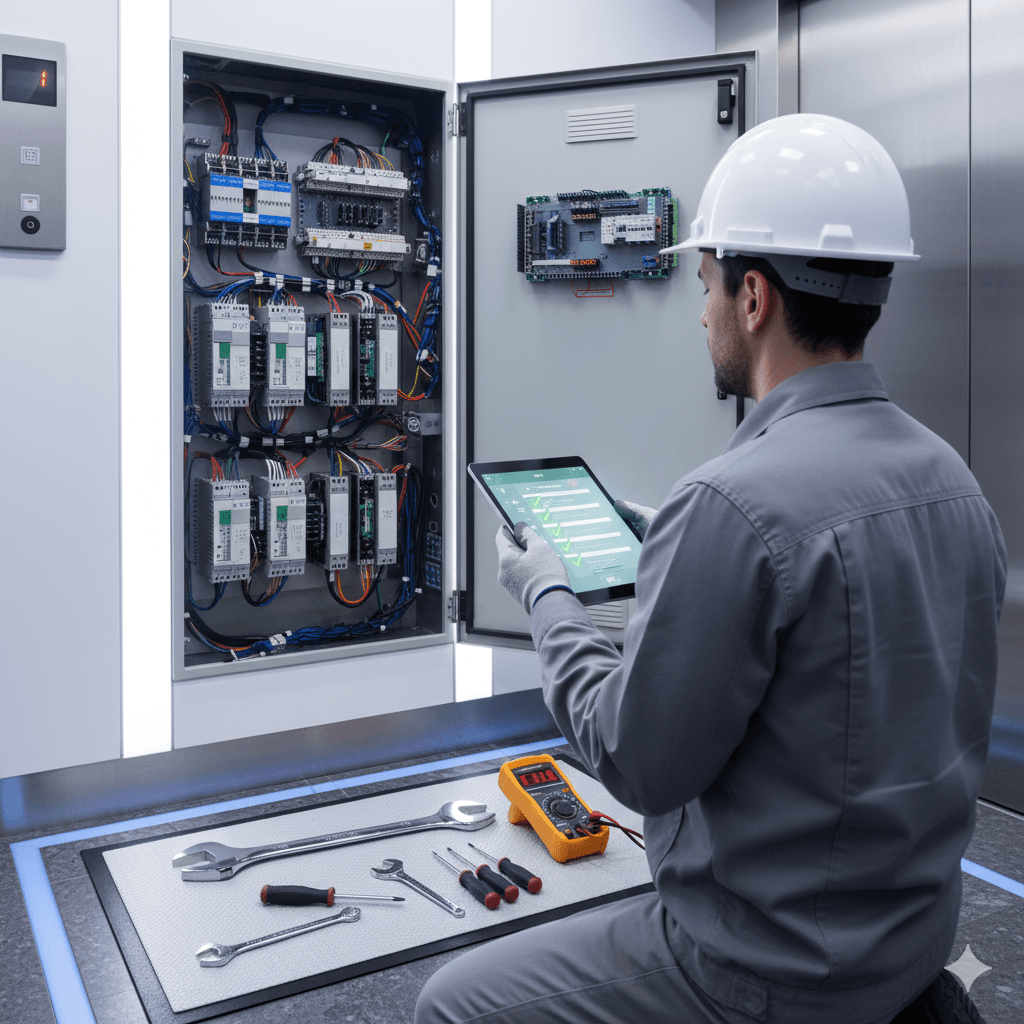
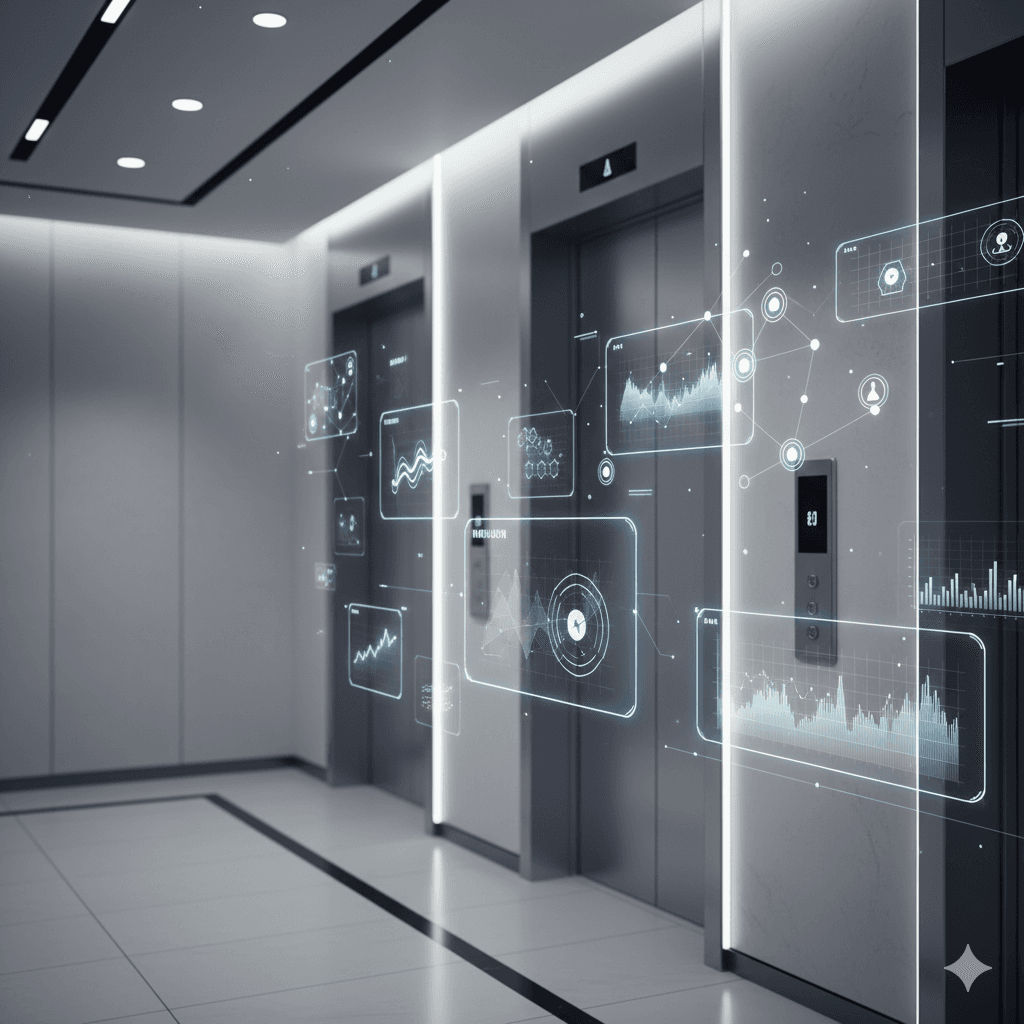
Predictive maintenance uses sensors and structured diagnostics to track component health. Instead of waiting for a failure, the system can indicate when door operators, motors, bearings, or brake components show abnormal behavior.
This approach supports planned interventions during low-traffic hours and reduces unexpected downtime—particularly useful for offices, hospitals, and high-rise buildings.
Energy efficiency and regenerative drives
In high-usage environments, energy efficiency becomes important. Regenerative drives can convert certain braking energy back into usable electrical energy, depending on system design and building configuration.
Even without regenerative hardware, modern drives and optimized control settings can reduce wasted energy and stabilize performance.
Modernization vs repeated repairs: practical decision-making
When a lift starts showing recurring faults—especially around door systems, controllers, and drives—modernization can be a better long-term move than repeated repair cycles.
Castel Elevator supports retrofit/modernization and performance upgrades with a structured assessment: evaluating fault patterns, usage load, component condition, and upgrade scope—then recommending a practical plan aligned to building operations.
- →Shortlist recurring faults and downtime patterns
- →Assess door operator + controller health first
- →Confirm part availability and expected lead times
- →Plan upgrades to minimize disruption
📹 Predictive Maintenance in Elevator Systems (Reference Video)
✅ Benefits
Implementing these practices provides immediate benefits with enhanced safety, improved efficiency, and cost savings.
💡 Expert Tips
Consult with professionals and invest in quality solutions to maximize performance.
Need Professional Assistance?
Contact our expert team for elevator solutions.