Complete Guide: Elevator Installation Planning & Cost Drivers

Vikram Sharma
Commercial Advisor
✨ Key Takeaways
- ✓Total project cost depends on building readiness and scope, not just equipment
- ✓Civil work, electrical capacity, and shaft conditions are major drivers
- ✓Customization choices (doors, finishes, capacity) affect time and budget
- ✓Approvals, handover documentation, and testing should be planned early
- ✓A structured site survey prevents delays and surprise variations
Start with requirements, not assumptions
A successful elevator installation begins with clear requirements: building type (residential/commercial/hospital/industrial), number of stops, expected traffic, and usage patterns.
Passenger comfort priorities differ from goods/freight requirements. For example, industrial lifts may prioritize capacity and rugged doors, while residential projects may prioritize compact design and finish.
- →Building type and daily usage load
- →Number of floors/stops and travel height
- →Capacity target and cabin size constraints
- →Preferred door type and finishing expectations
Major factors that drive installation cost (without quoting prices)
Installation budgets vary primarily due to scope and building conditions. Two projects with the same lift category can differ significantly based on shaft readiness, civil modifications, and electrical work.
Instead of relying on generic online figures, treat cost as a structured estimate built from site survey, Bill of Quantities (BOQ), and compliance/testing scope.
- →Civil work: shaft, pit, overhead clearance, and structural readiness
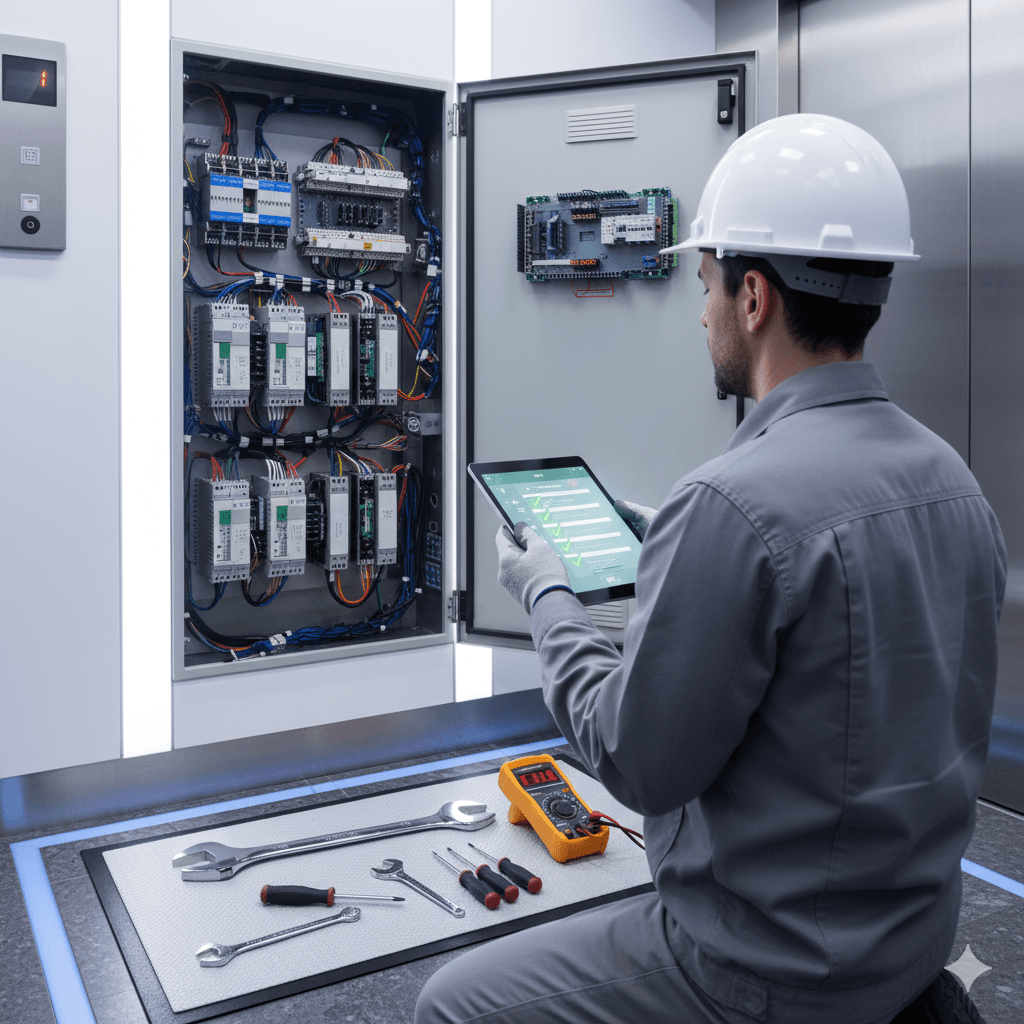
- →Electrical: power availability, earthing, panel upgrades, backup power planning
- →Equipment type: hydraulic vs traction/MRL/gearless based on project needs
- →Finishes: cabin materials, COP/LOP fixtures, door style and durability
- →Logistics: site access, lift material shifting, and installation timeline constraints
Site survey checklist that prevents surprises
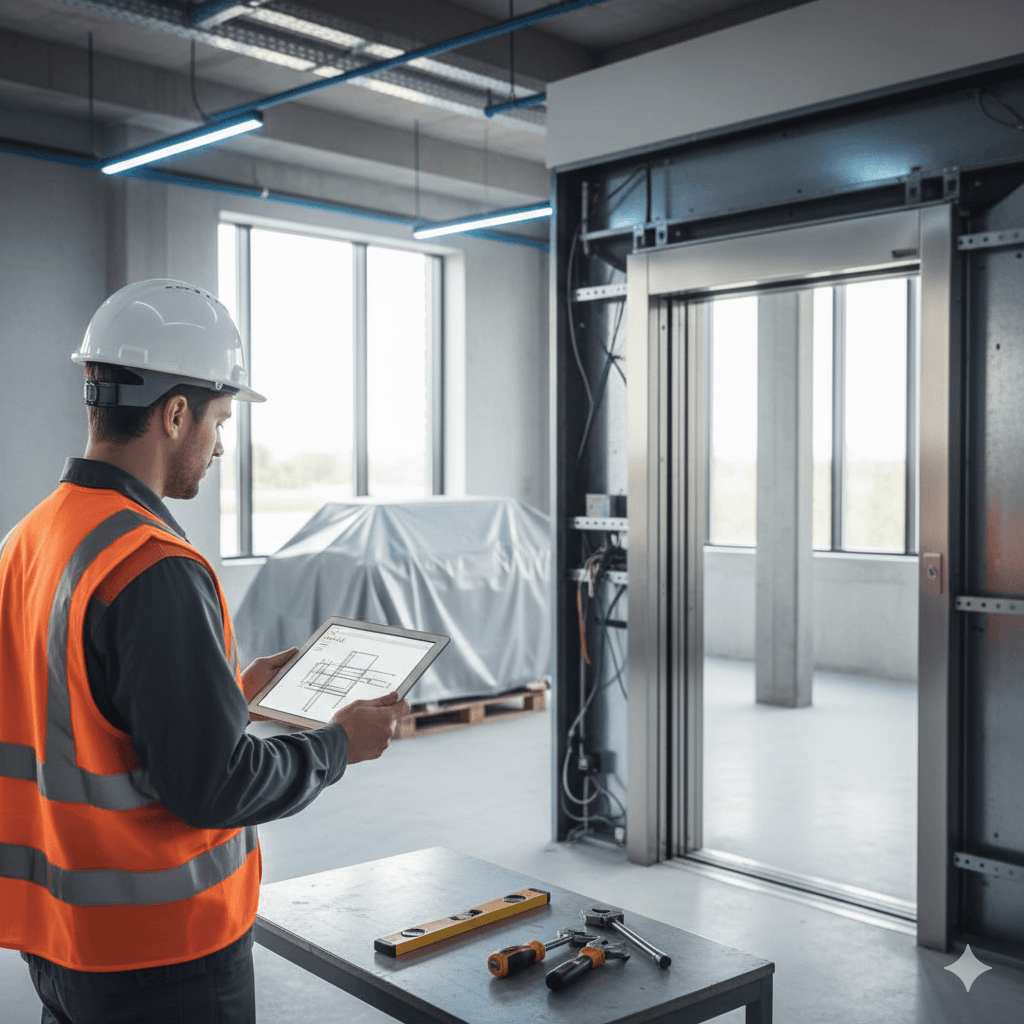
A proper site survey is where most budget risk is eliminated. Survey findings confirm whether the shaft is aligned, whether pit depth and headroom are adequate, and whether electrical capacity supports the chosen system.
For occupied buildings, installation planning must also include work-hour constraints, safety barricading, and noise/dust control.
- →Shaft dimensions and alignment verification
- →Pit depth, overhead clearance, and machine/drive space planning
- →Load-bearing considerations for rails and structure
- →Power line routing, earthing, and panel placement
- →Material shifting route and safe staging area
Compliance, testing, and handover planning
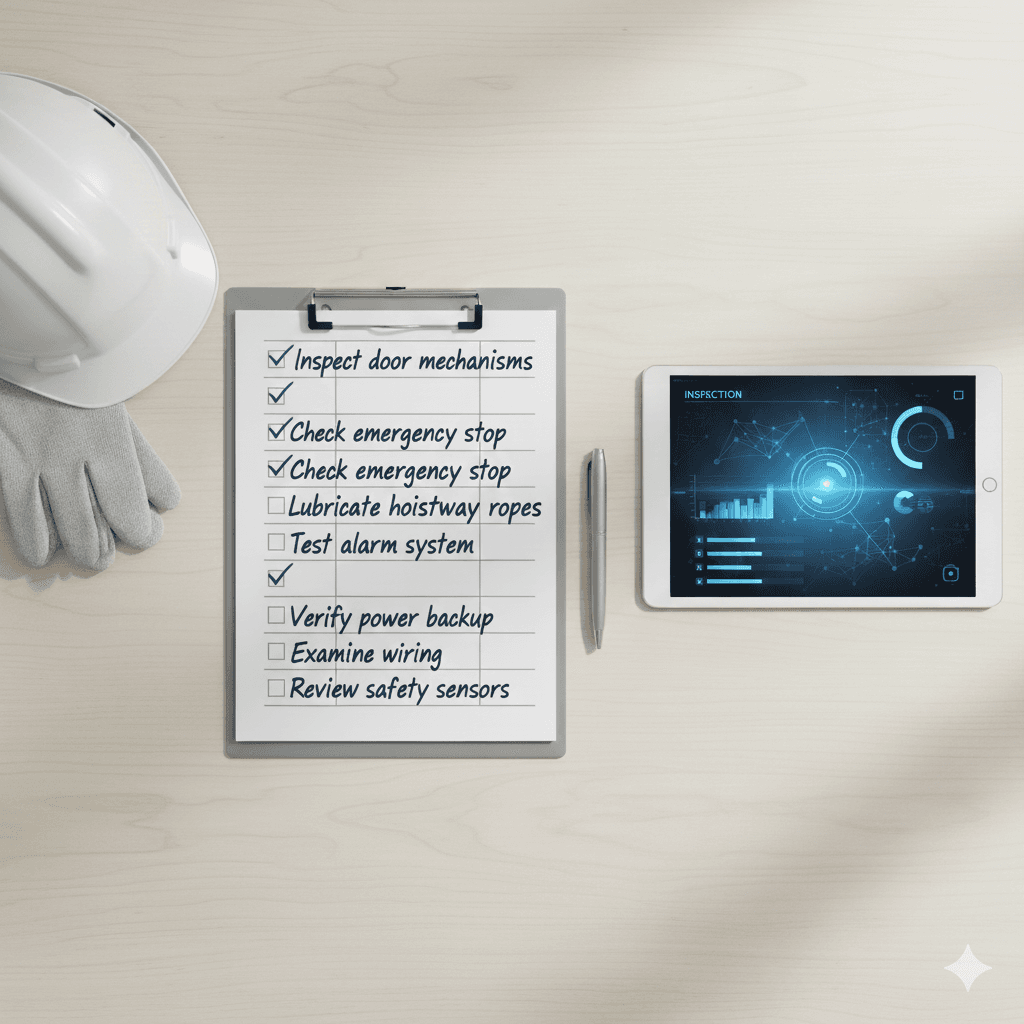
Installation is not complete until testing, safety verification, and handover documentation are ready. Buildings benefit when this is planned early—especially where NOC assistance or regulatory compliance documentation is required.
Good handover includes operation training for security/facility staff, emergency contact protocol, and clear maintenance schedule planning.
How Castel Elevator can support planning
Castel Elevator supports installation planning, retrofit, modernization, and maintenance across Delhi, Gurugram and Noida.
For accurate project estimation, the best approach is a site survey followed by a structured scope document (equipment, civil, electrical, testing, handover). This keeps delivery timelines predictable and prevents repeated revisions during execution.
📹 Types of Elevators: Breaking Down the Basics (Reference Video)
✅ Benefits
Implementing these practices provides immediate benefits with enhanced safety, improved efficiency, and cost savings.
💡 Expert Tips
Consult with professionals and invest in quality solutions to maximize performance.
Need Professional Assistance?
Contact our expert team for elevator solutions.