Industrial Freight Elevators: Selection, Safety, and Maintenance

Suresh Verma
Industrial Specialist
✨ Key Takeaways
- ✓Freight elevators prioritize capacity, durability, and duty cycle
- ✓Door type, loading method, and safety interlocks are critical
- ✓Site readiness (shaft, pit, power, access) determines success
- ✓Operational SOPs reduce misuse and downtime
- ✓Preventive maintenance is essential in dusty/high-load environments
How freight elevators differ from passenger elevators
Industrial freight elevators are engineered for materials, pallets, and equipment movement. They typically operate with heavier loads, frequent cycles, and harsher environments.
This changes what matters most: rugged door systems, strong structural support, reliable safety interlocks, and serviceability for long-term uptime.
Key specifications to evaluate
Freight elevator selection should match real operational needs. If forklifts are involved, cabin size and door opening must support safe entry/exit and turning clearances.
Duty cycle matters: frequent trips and heavy loads require components chosen for industrial stress.
- →Rated capacity and realistic loading method (manual vs pallet/forklift)
- →Door type (shutter/automatic/bi-parting) and protection requirements
- →Speed and stops aligned with workflow needs
- →Safety features: interlocks, emergency stop, overload protection
- →Environment: dust, humidity, temperature, and wear conditions
Site readiness and installation planning
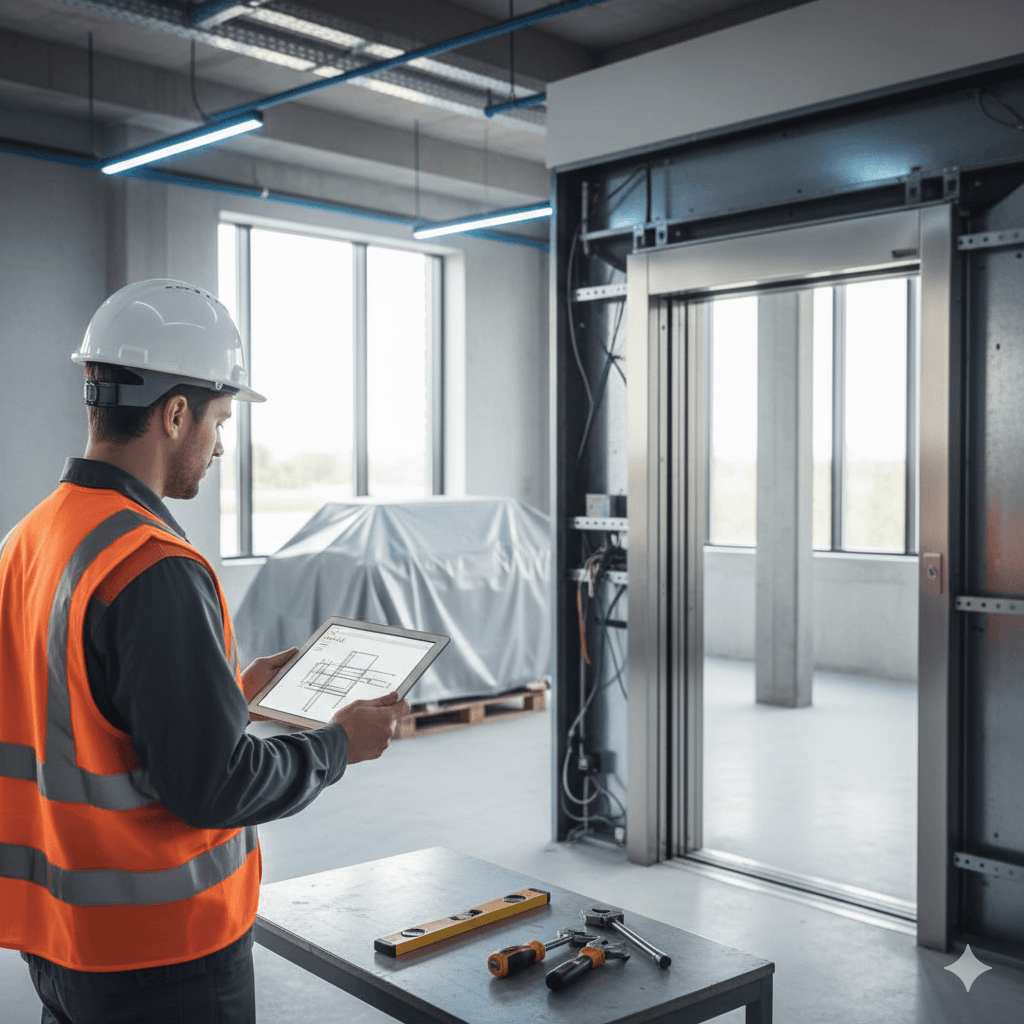
Most freight elevator issues begin with poor site planning: misaligned shafts, insufficient pit/headroom, inadequate power provisioning, or unsafe loading zones.
A site survey should confirm civil readiness, electrical routing, and safe access for installation and future service work.
- →Stable loading/unloading zones (floor strength, ramps if needed)
- →Clear approach for forklifts/pallet trucks
- →Adequate lighting, ventilation, and safe barricading during works
- →Power, earthing, and panel placement to match industrial conditions
Operational safety: SOPs for teams
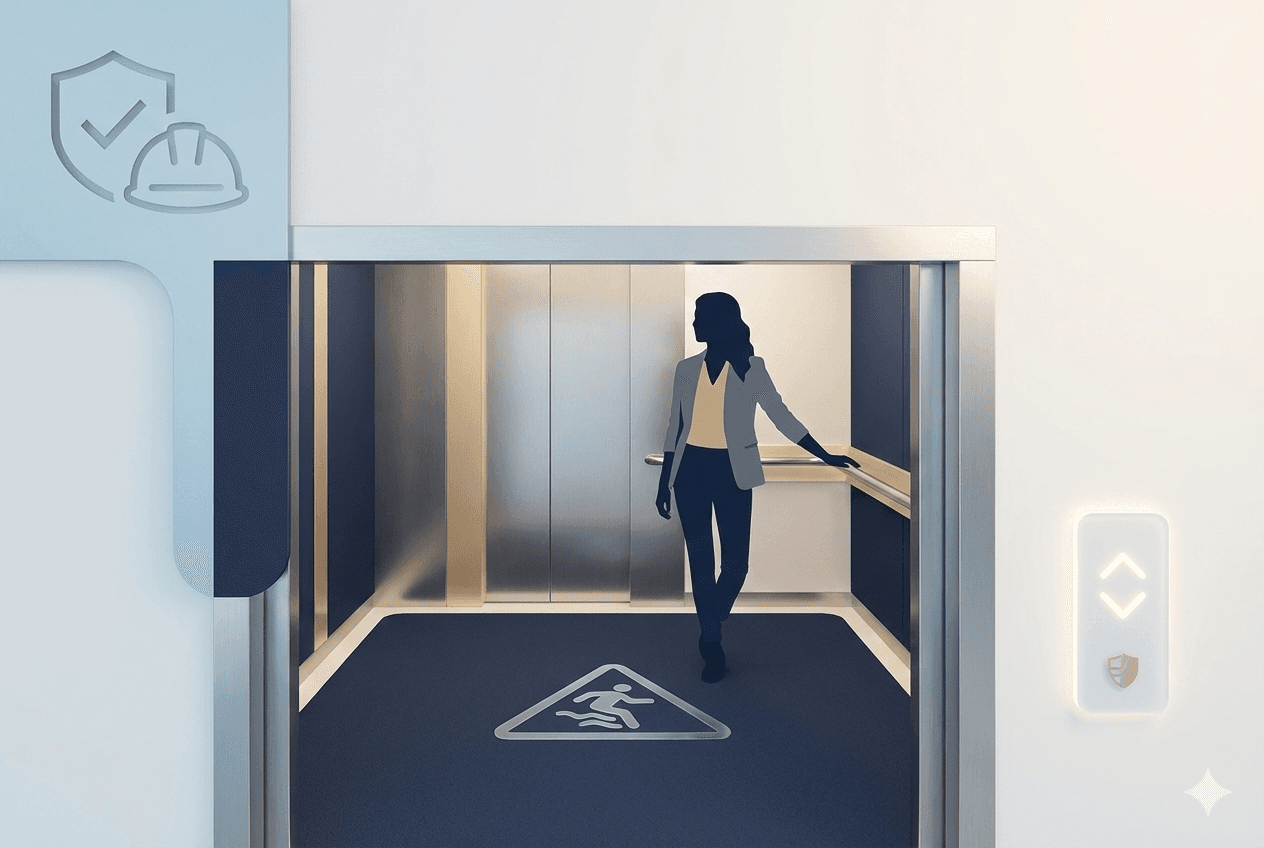
Even a well-built freight lift can fail early if misused. Establish simple SOPs: no overloading, distribute load evenly, keep doors clear, and ensure only trained staff operate the lift.
Where multiple teams use the lift (warehouse + production + dispatch), assign responsibility for reporting early warning signs and maintaining cleanliness around tracks and entrances.
Maintenance priorities for industrial environments
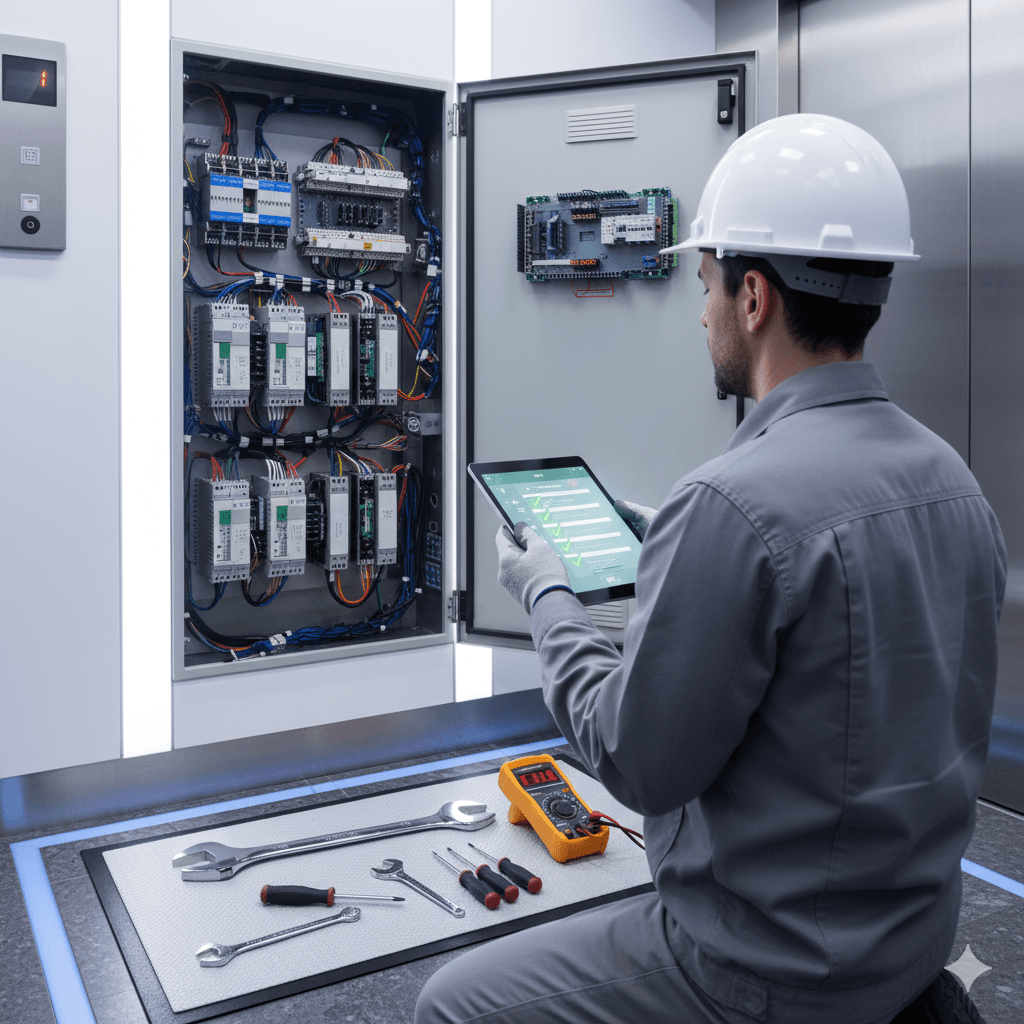
Industrial sites can accelerate wear due to dust and heavy usage. Preventive maintenance should focus on door mechanics, alignment, safety switches, braking behavior, and component heating patterns.
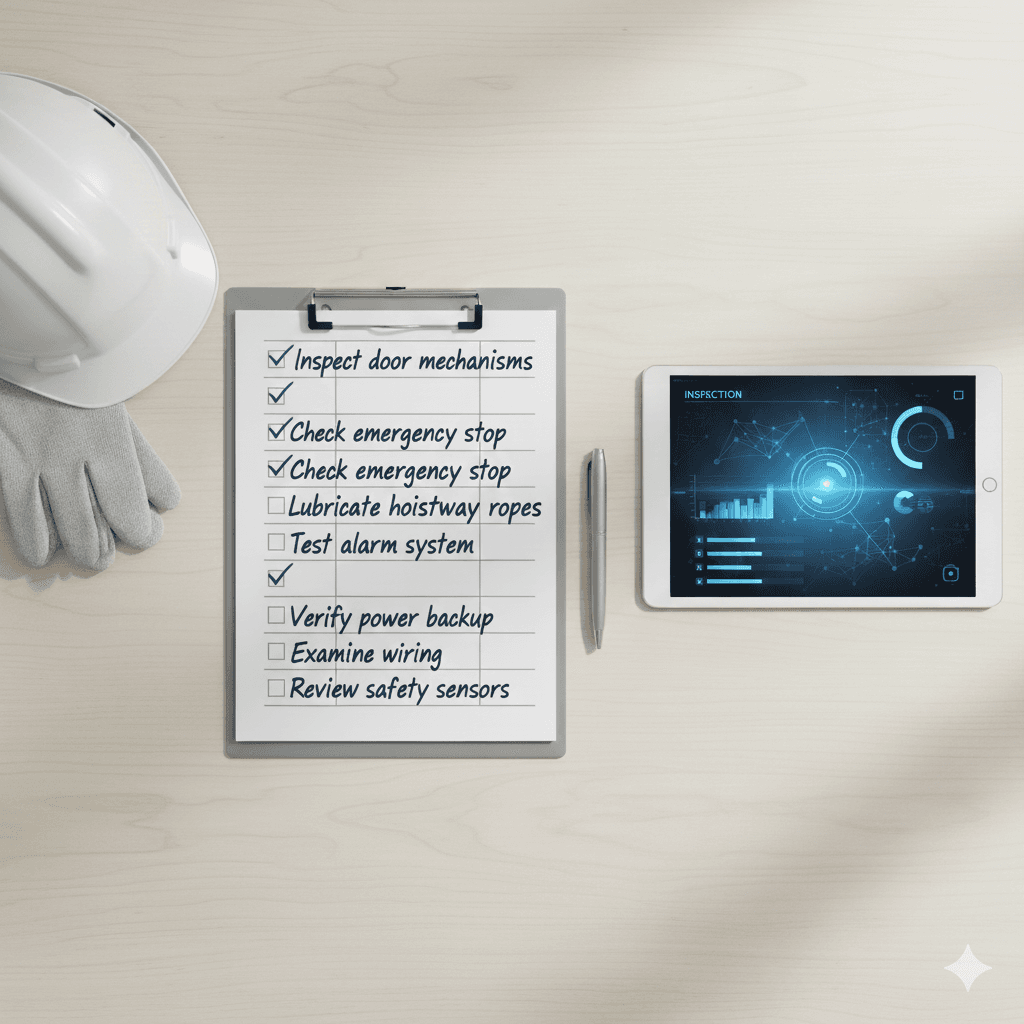
Castel Elevator supports freight elevator maintenance, modernization, and inspections across operational regions with structured checklists and breakdown readiness suited for industrial uptime needs.
📹 Industrial Lift/Elevator Working Concepts (Reference Video)
✅ Benefits
Implementing these practices provides immediate benefits with enhanced safety, improved efficiency, and cost savings.
💡 Expert Tips
Consult with professionals and invest in quality solutions to maximize performance.
Need Professional Assistance?
Contact our expert team for elevator solutions.